Kotak
Stockshaala
How To Read Key Financial Statements
Financial statements act as a company’s report card, revealing profitability, liquidity, and financial health. This chapter introduces key documents like the P&L statement, balance sheet, and cash flow statement.
Quantitative Vs Qualitative Analysis
Investing isn’t just about the numbers—sometimes, the story matters too. This chapter compares data-driven analysis with softer factors like management quality, brand value, and business model.
How to Read a Balance Sheet
A balance sheet provides insights into a company’s assets, liabilities, and shareholder equity. Learn how to assess a firm’s financial stability and long-term sustainability using this key financial document.
How to Analyze a Profit and Loss Statement
A P&L statement breaks down revenue, expenses, and net profit, helping investors gauge business performance. This chapter explains how each component—from gross profit to EPS—impacts valuation.
Cashflow Statement Explained
The cash flow statement tracks how a company generates and spends cash across operations, investments, and financing. Understanding these flows helps investors assess liquidity, financial discipline, and long-term viability.
Understanding Financial Ratios
Financial ratios simplify company comparisons by measuring profitability, liquidity, leverage, and valuation. This chapter covers key metrics like ROE, P/E ratio, and debt-to-equity to help you make informed investment decisions.
What is Gross Profit Margin
Gross profit margin reveals how efficiently a company produces goods and services by measuring profits after deducting direct costs. This chapter explains its importance in evaluating a company's core business strength.
What is Operating Profit Margin
Operating profit margin indicates how well a company manages its costs and operations before interest and taxes. Learn how this ratio helps assess a company’s financial health and operational effectiveness.
What is Net Profit Margin
Net profit margin shows how much of a company’s revenue turns into actual profit after all expenses. This chapter breaks down its significance in measuring a business’s overall profitability and financial sustainability.
What is ROA
ROA evaluates how effectively a company utilises its assets to generate profits. Understand why this ratio is crucial in comparing companies across industries and assessing management efficiency.
What is ROE
Return on Equity (ROE) shows how efficiently a company generates profit using shareholders' funds. This chapter explains why a high or low ROE matters when evaluating business performance.
What is Current Ratio & Quick Ratio
These liquidity ratios show a company’s ability to meet short-term obligations. This chapter explains how to use them to assess financial stability and operational efficiency.
What is Debt to Equity Ratio
The Debt to Equity ratio reveals how much a company relies on borrowed funds versus shareholder equity. This chapter helps you understand the ideal balance for financial health.
Interest Coverage Ratio
This ratio tells you whether a company can comfortably pay its interest obligations. Learn how to interpret it to avoid companies struggling with debt burdens.
What is Working Capital
Working capital represents the funds available for day-to-day operations. This chapter explains how positive or negative working capital impacts a business’s ability to run smoothly.
What is PEG Ratio
The Price/Earnings to Growth (PEG) ratio adjusts the P/E ratio for a company's growth rate. This chapter shows how PEG helps in evaluating if a stock is reasonably valued.
Price -to- Book Ratio
The P/B ratio compares a company’s market value to its book value. This chapter explains how it’s used to spot undervalued or overvalued stocks, especially in asset-heavy sectors.
Price -to- Sales Ratio
This ratio compares a company’s stock price with its revenue per share. Learn how it helps in valuing companies—especially those with low or inconsistent profits.
Evaluating Corporate Governance: Key Indicators to Watch
Strong corporate governance can protect investors and boost long-term value. This video explains key indicators such as board independence, audit practices, related-party transactions, and management transparency—crucial for judging how responsibly a company is run.
Assessing a Company's Ownership Structure
Who holds the power in a company? Learn how promoter holdings, institutional investors, and public shareholding patterns impact corporate control, decision-making, and investor confidence. This video helps you decode ownership dynamics to make better investment calls.
Recommended Courses for you








Learn, Invest, and Grow with Kotak Videos
Explore our comprehensive video library that blends expert market insights with Kotak's innovative financial solutions to support your goals.
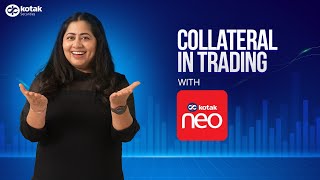
Trading with collateral as margin with Kotak Neo

How India is Redefining Space Exploration